Method
Simulation
I use simulation to compare solar exposure, daylight, comfort, heating demand, and urban climate before making a design choice.
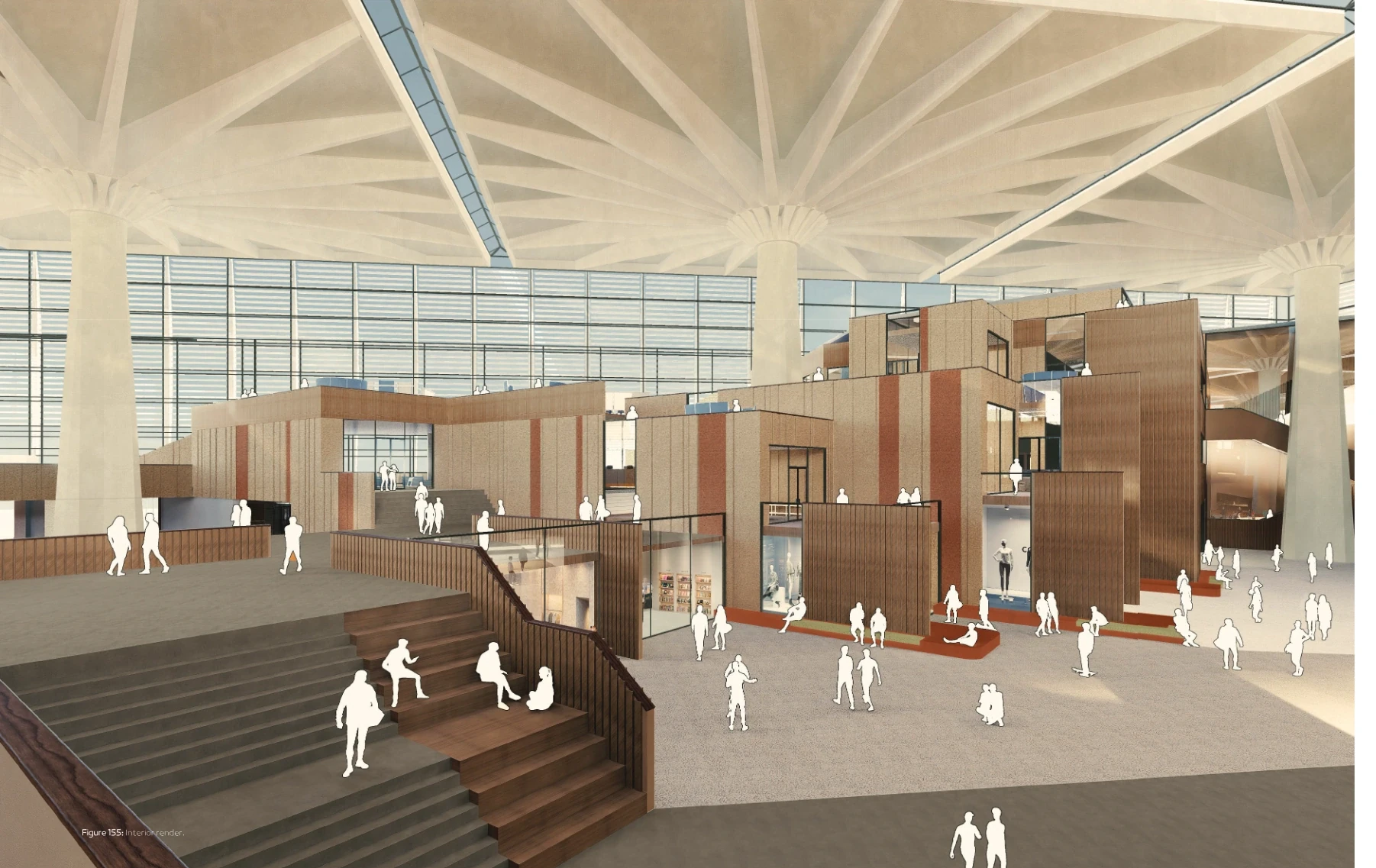
2023/2024
Palazzo del Lavoro
This connects to Simulation through BIM-based technical studies and comparative diagrams for solar protection, double-skin facade behavior, roof build-up, HVAC distribution, and radiant-floor strategies; the thesis does not report a single measured performance score.
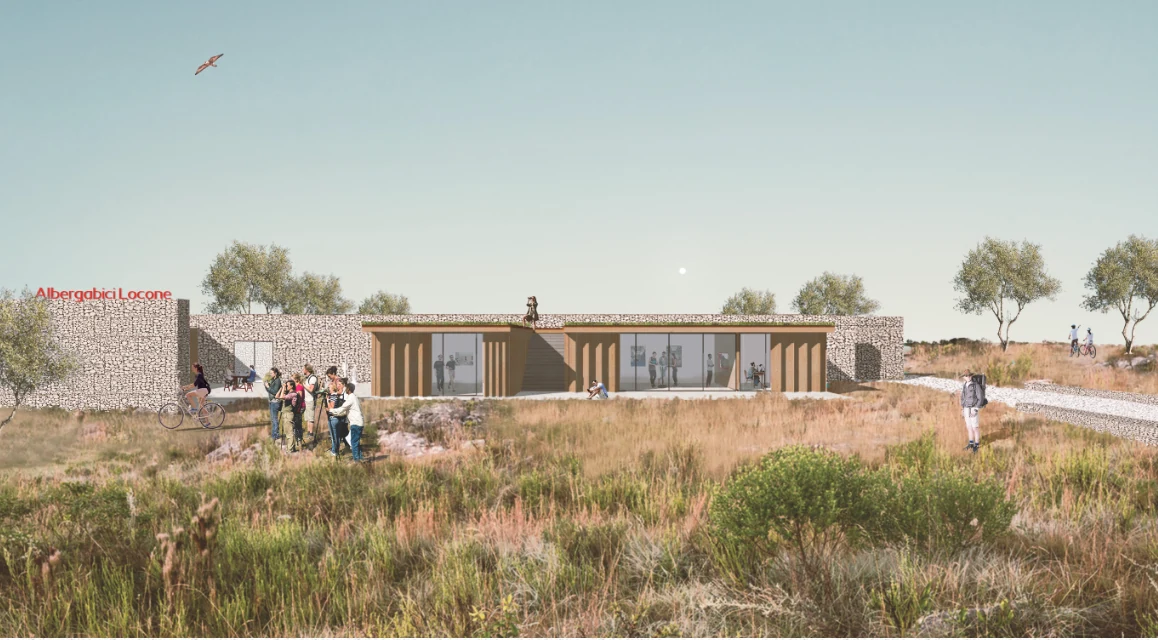
2023
AlbergaBici
Simulation appears as environmental reasoning: airflow, shading, section depth, and outdoor comfort informed the spatial organization without becoming the only design driver.
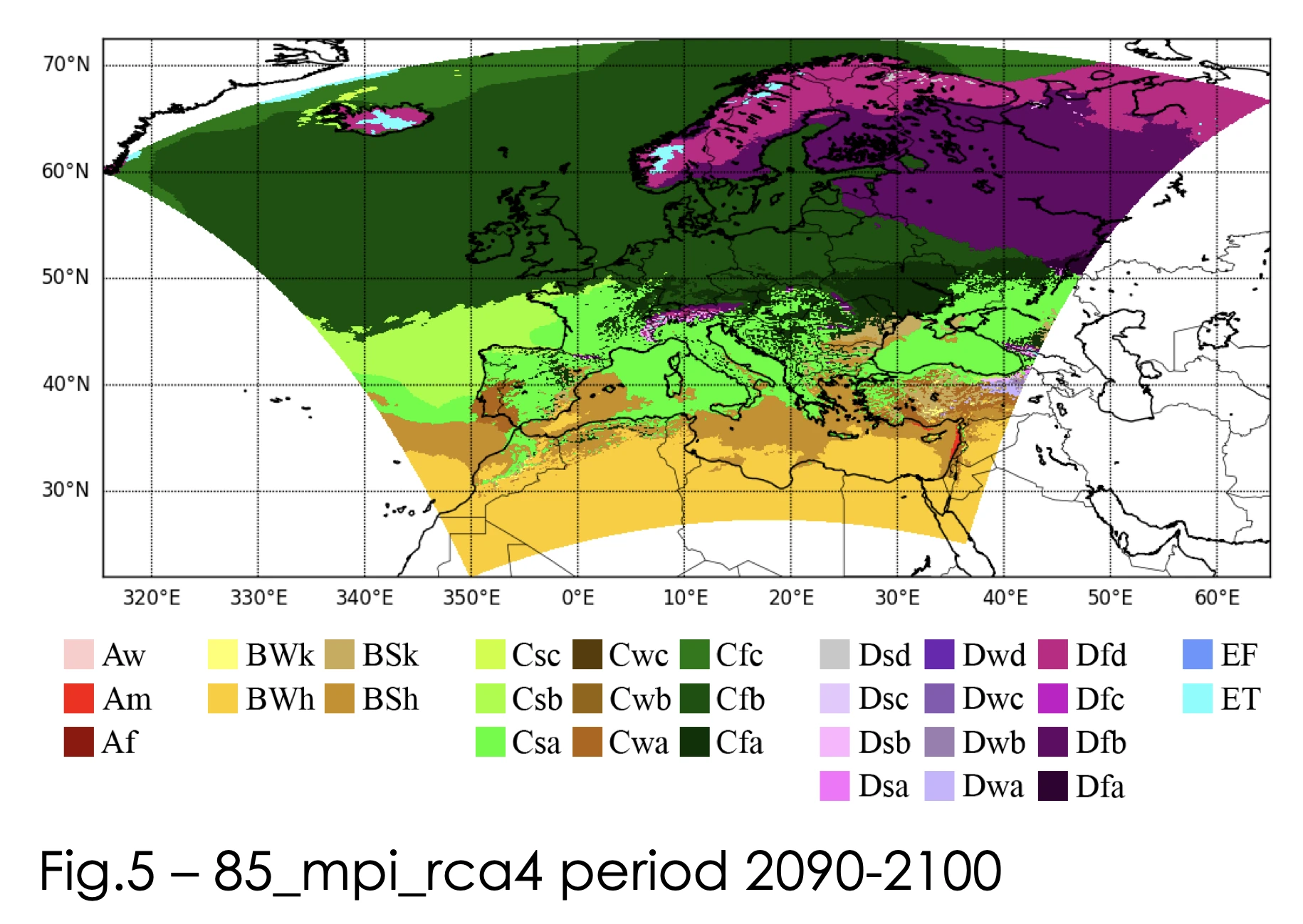
2025-present
Climate Change
This connects to Simulation because historical and projected climate periods are compared across several models and scenarios to test how climate classes, bioclimatic conditions, and winter heating categories may change over time.
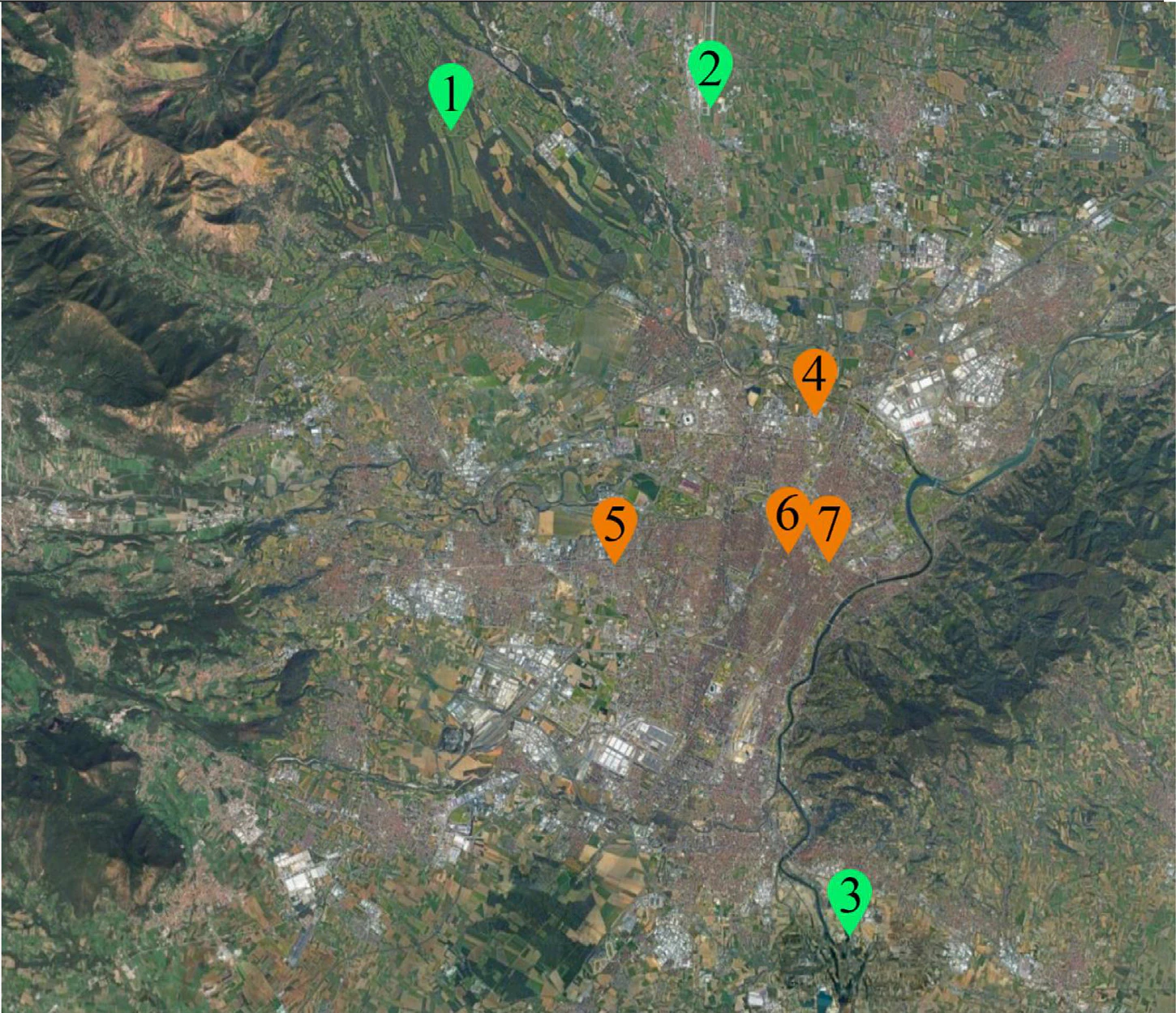
2025-present
Urban Microclimate
This connects to Simulation because urban microclimate research uses location-specific weather files and performance models to compare how building loads, heat, and environmental conditions change between urban and suburban contexts.
2025–2026
Shading System
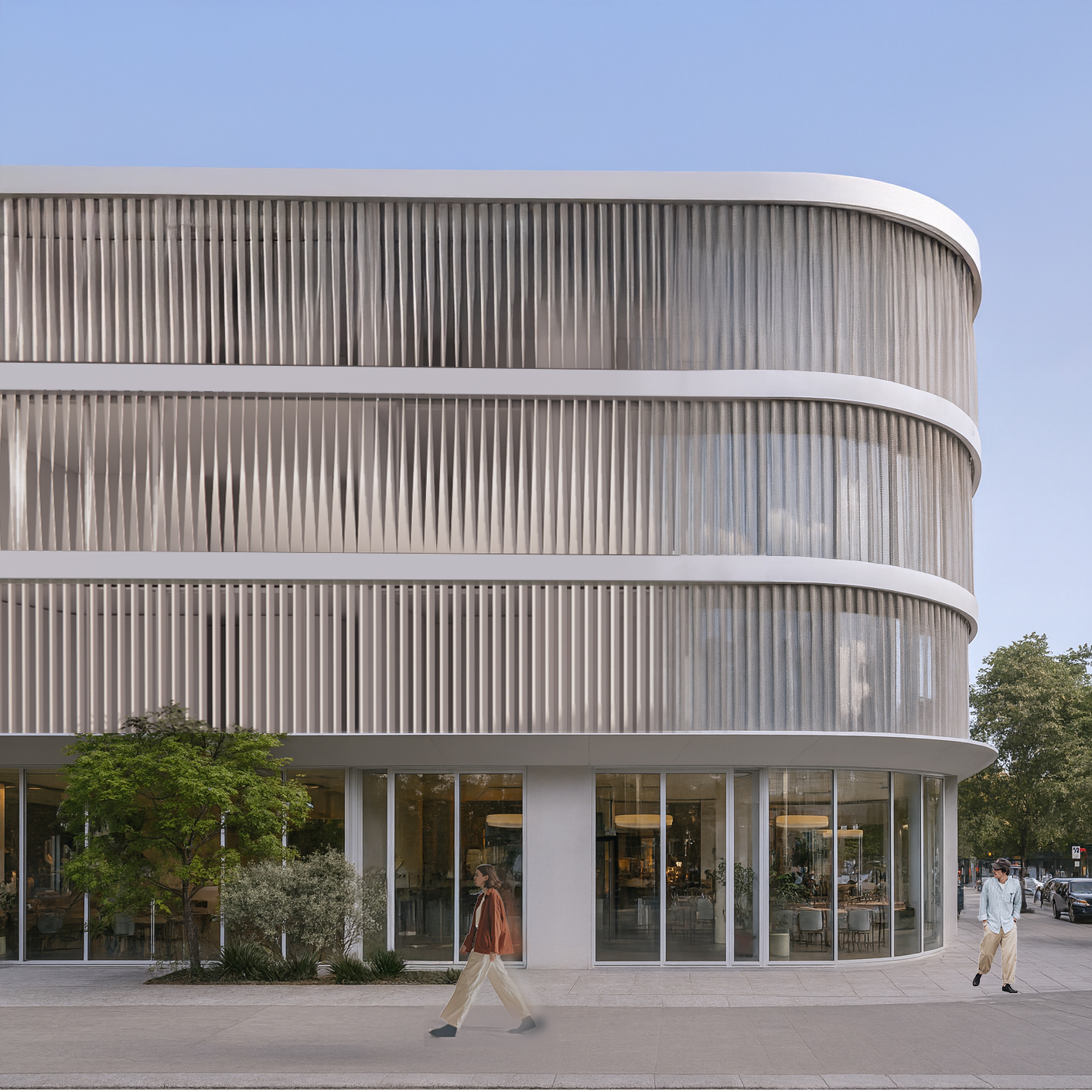
Solar exposure, useful daylight, and Horizontal Sight Angle were tested together to read the trade-off between shading and view.
2025
Urban Generation
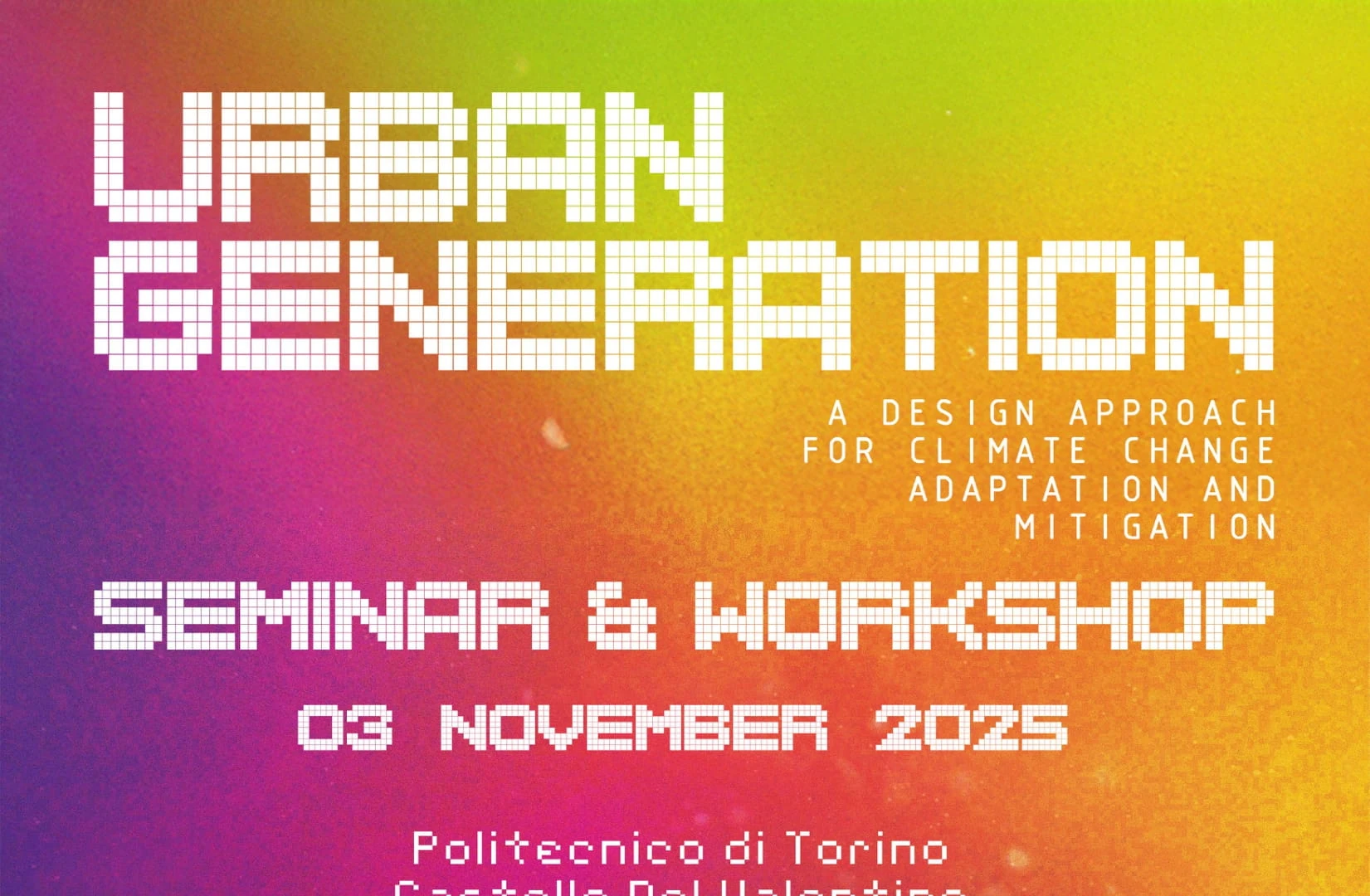
This connects to Simulation because the morning seminar explained urban EPW files, Urban Weather Generator setup, climate runs, and results, and the afternoon workshop let participants test the same Torino case through practical environmental-analysis workflows.