Theme
Computational Thinking
I use computation to break complex design questions into smaller parts, compare options, and keep the reasoning visible. It supports the decision instead of replacing it.
2023
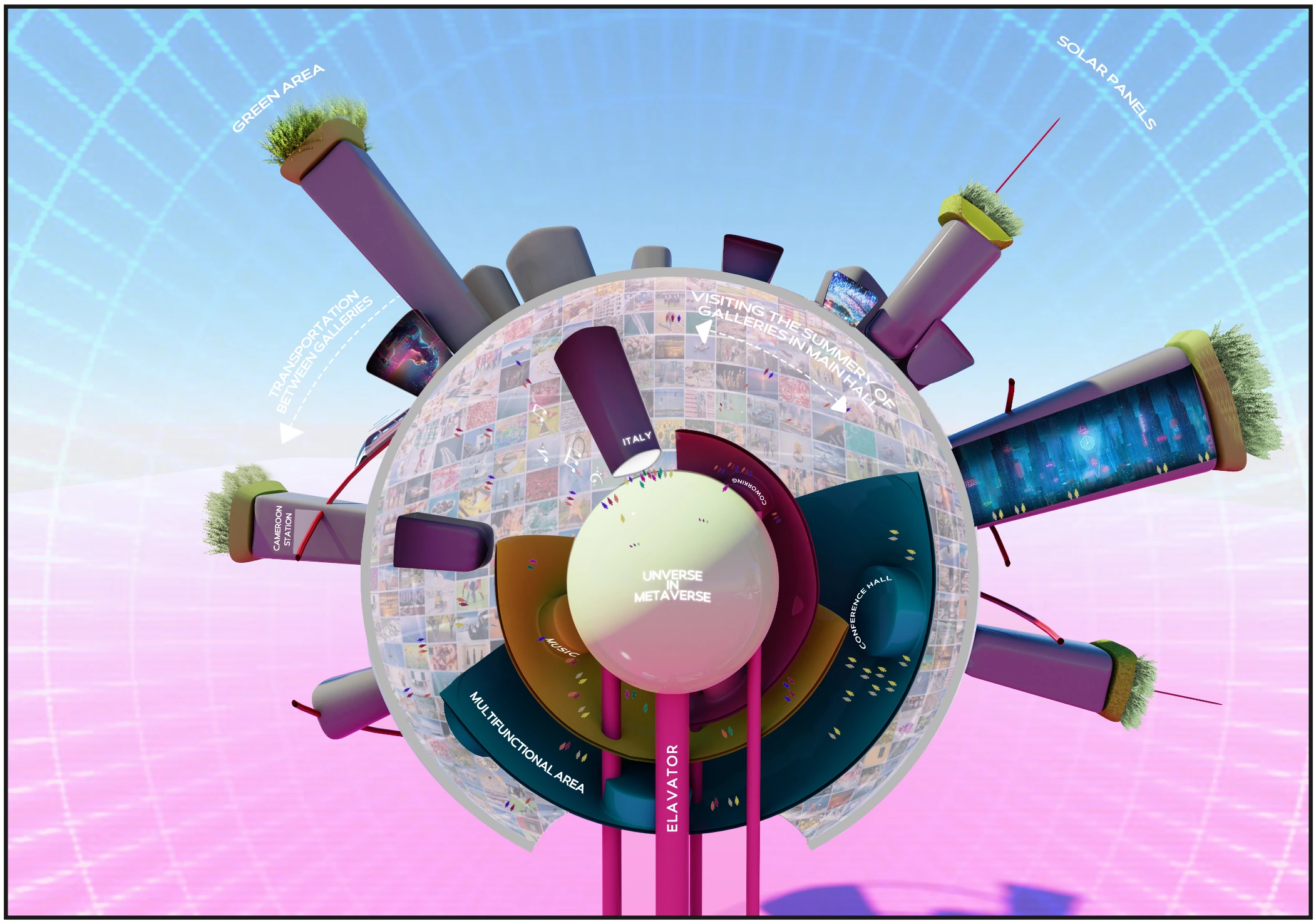
Metaverse Expo
The design used system logic: concentric spheres, country elements around a shared center, movable exhibition slices, and circular routes organized the virtual expo as a structured spatial network.
2023–2024
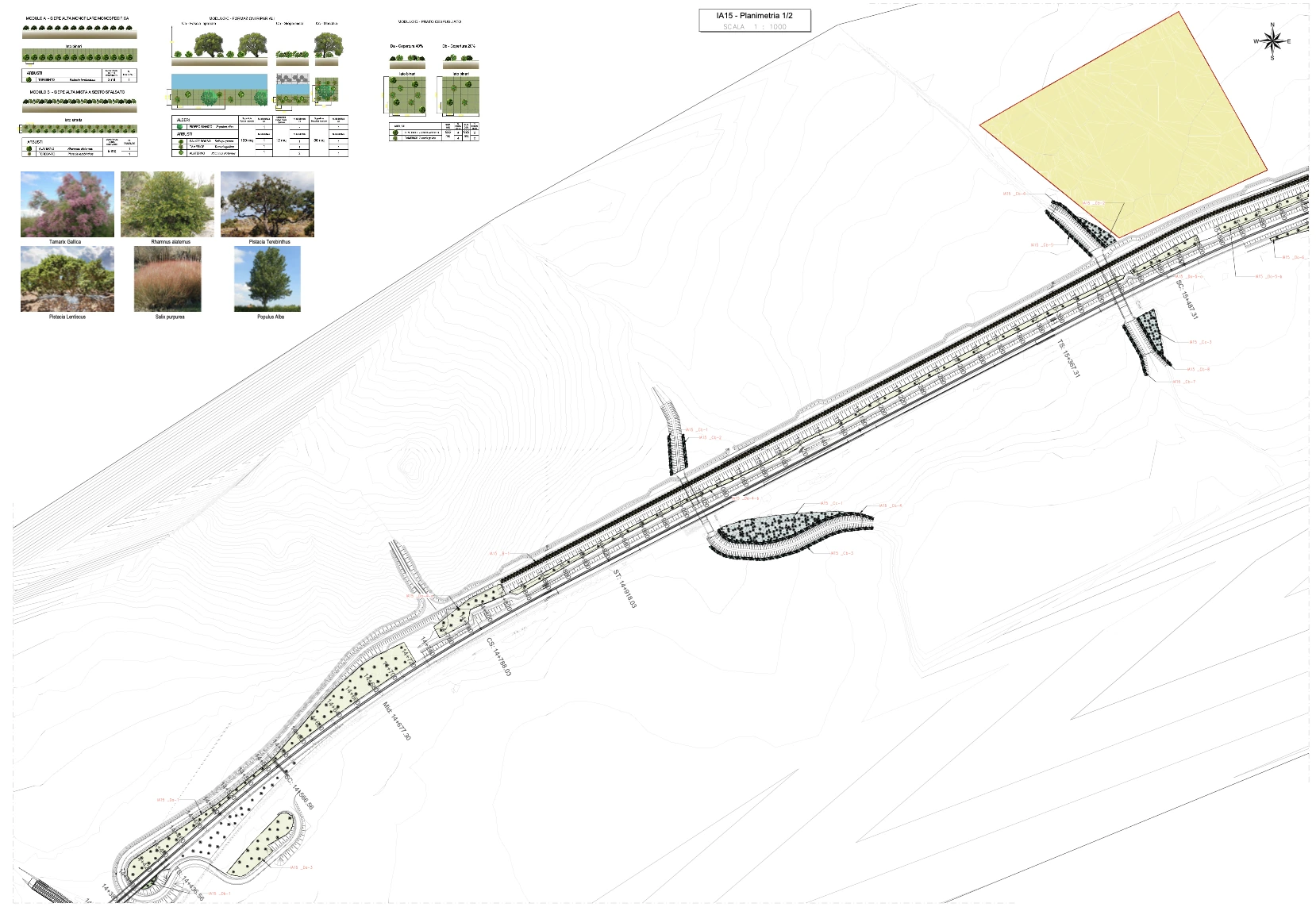
RFI Railway
This connects to computational thinking because the task was reduced from many repeated manual modeling and documentation steps into rules: read the latest DWG, classify terrain, place model families, update geometry, and regenerate sheets.
2023–2024
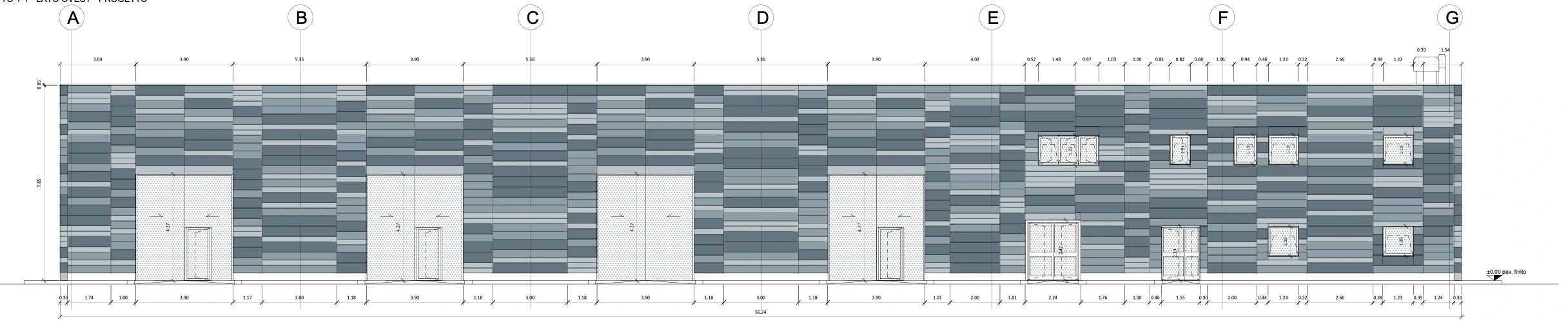
Facade Paneling
The project connects to computational thinking because an aesthetic problem was translated into repeatable rules: define facade fields, choose allowed panel widths, randomize the pattern, and color-code the output for workers.
2025-present
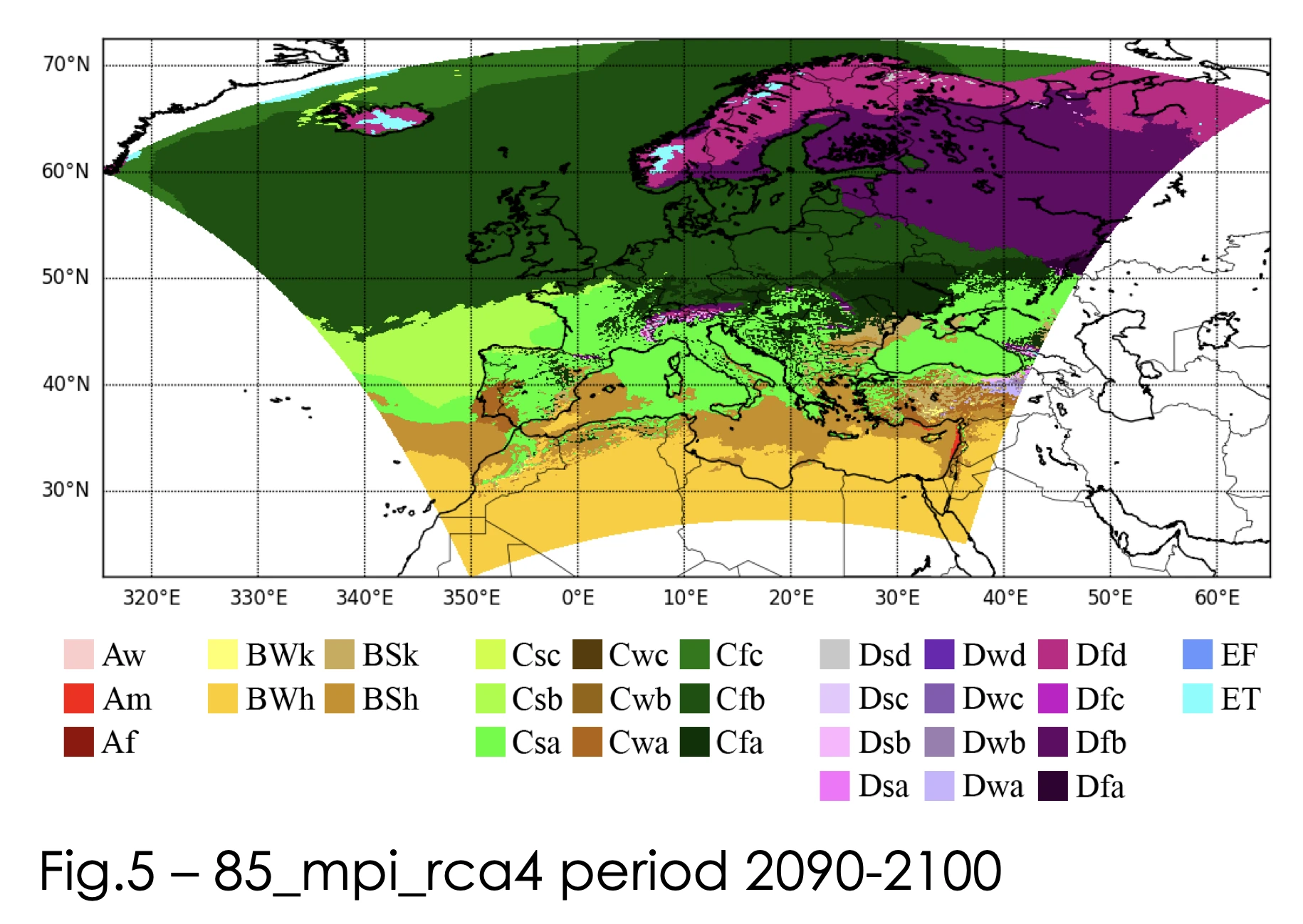
Climate Change
This connects to Computational Thinking because explicit classification systems such as Koppen-Geiger, Givoni-Milne, and heating-degree-day zones turn large climate datasets into reproducible spatial comparisons while keeping their assumptions visible.
2025-present
Urban Microclimate
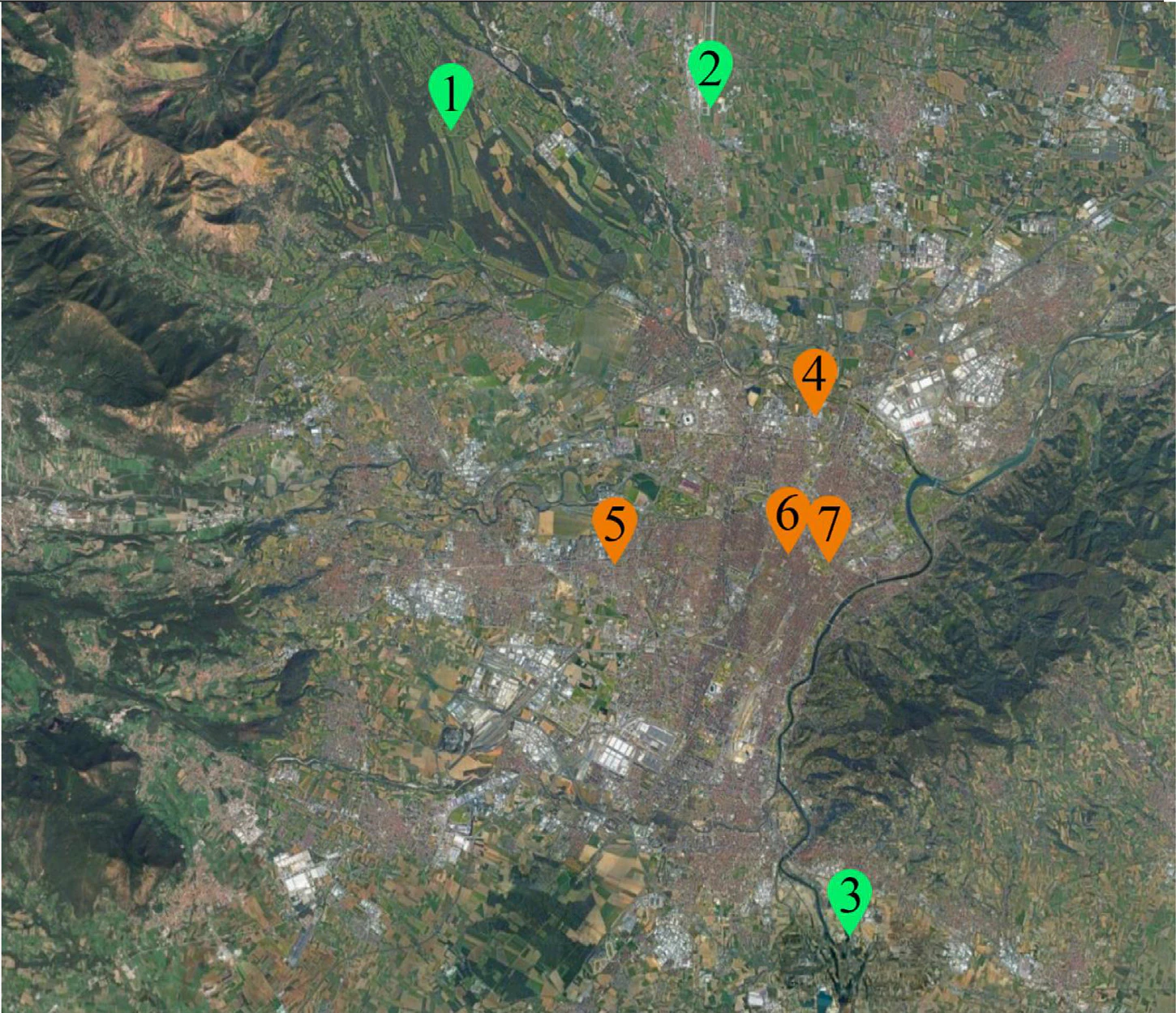
This connects to Computational Thinking because observations, weather files, shapefile attributes, and city geometry are organized into explicit systems that make urban-climate evidence repeatable, comparable, and traceable.
2025–2026
Shading System
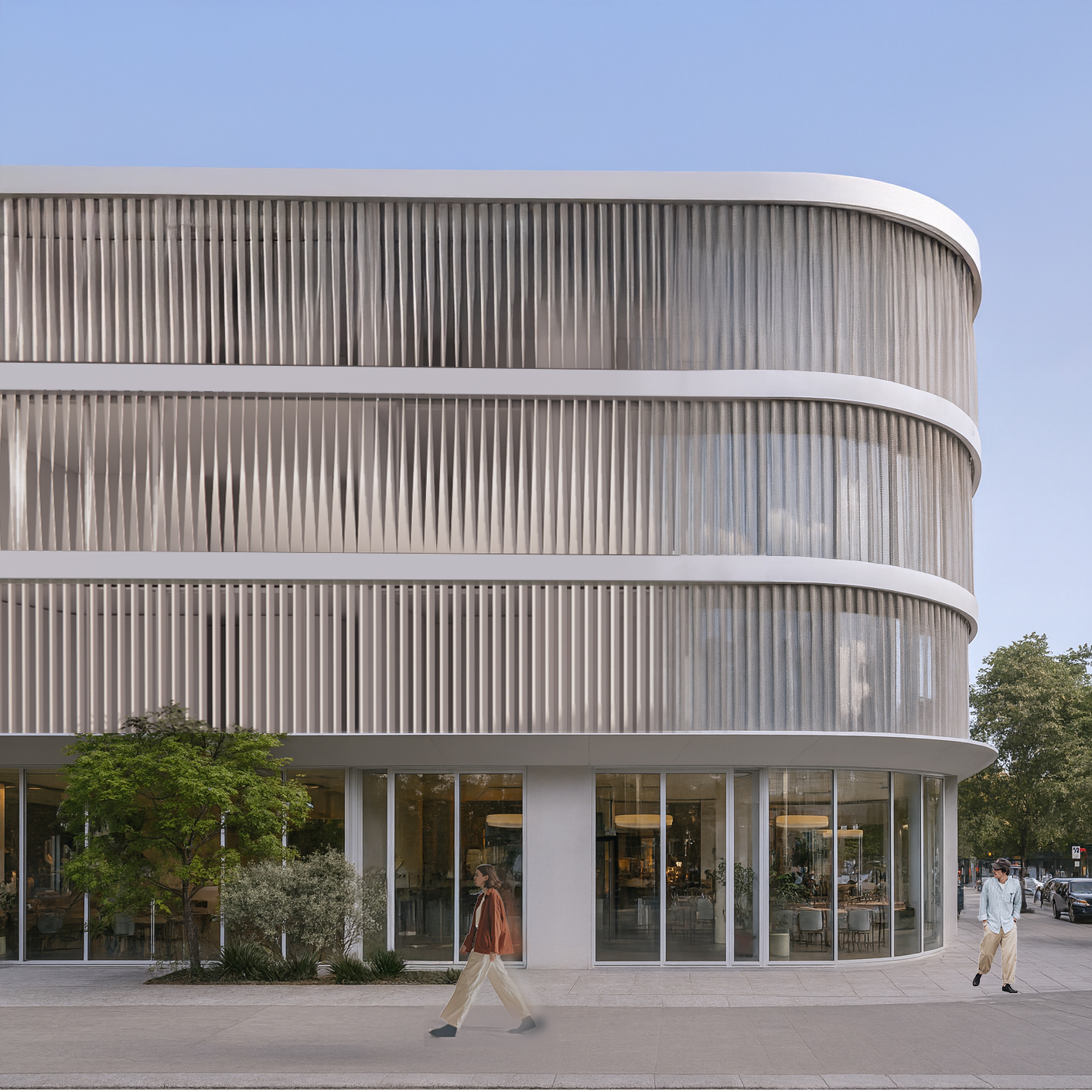
The design is expressed as variables, thresholds, and trade-offs rather than a single fixed facade image.
2024–2026
Algorithmic Group Formation
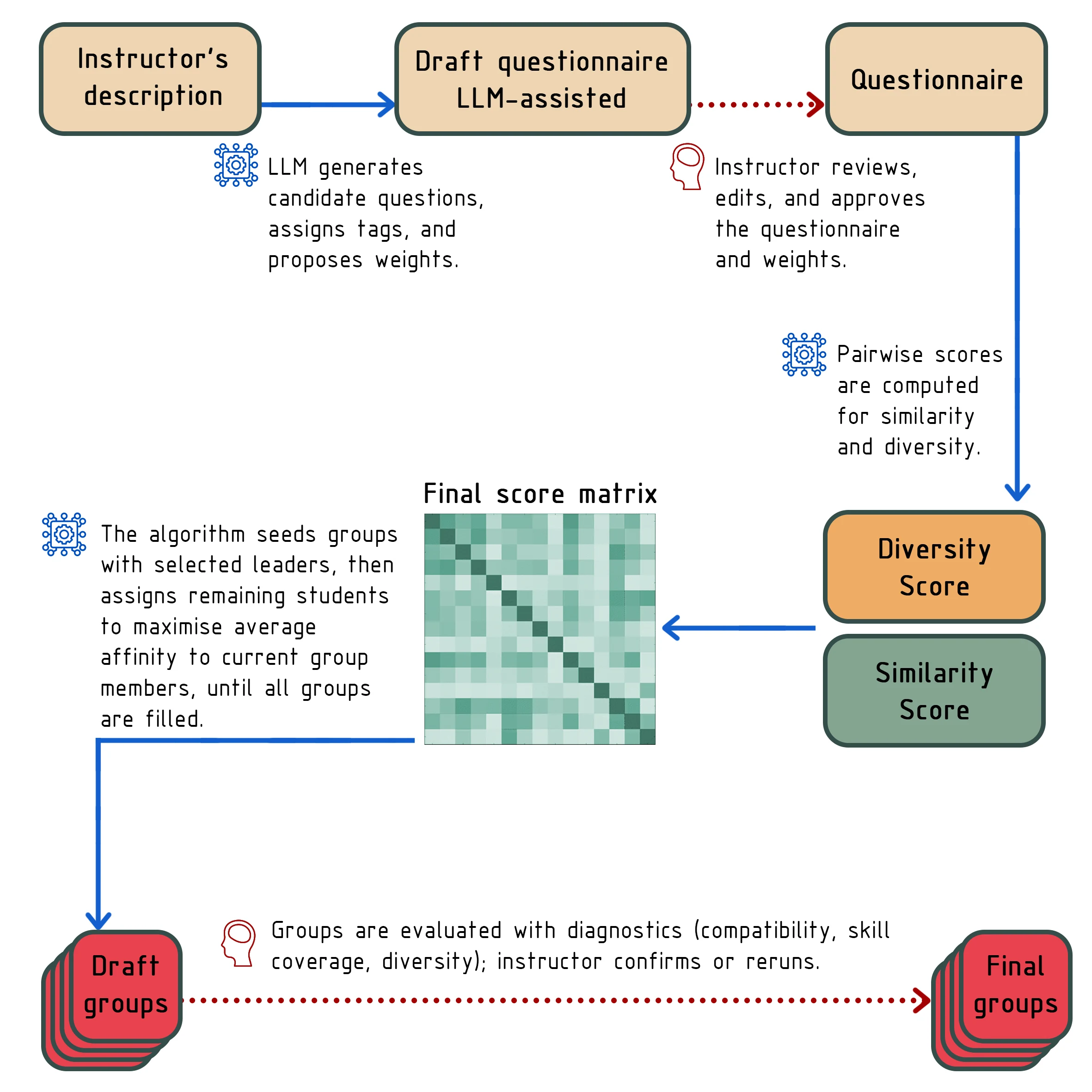
This connects to Computational Thinking because the teaching problem was translated into explicit rules: score compatibility and complementarity separately, combine them with adjustable weights, generate a draft allocation, inspect diagnostics, and rerun when necessary.
2025
Urban Generation
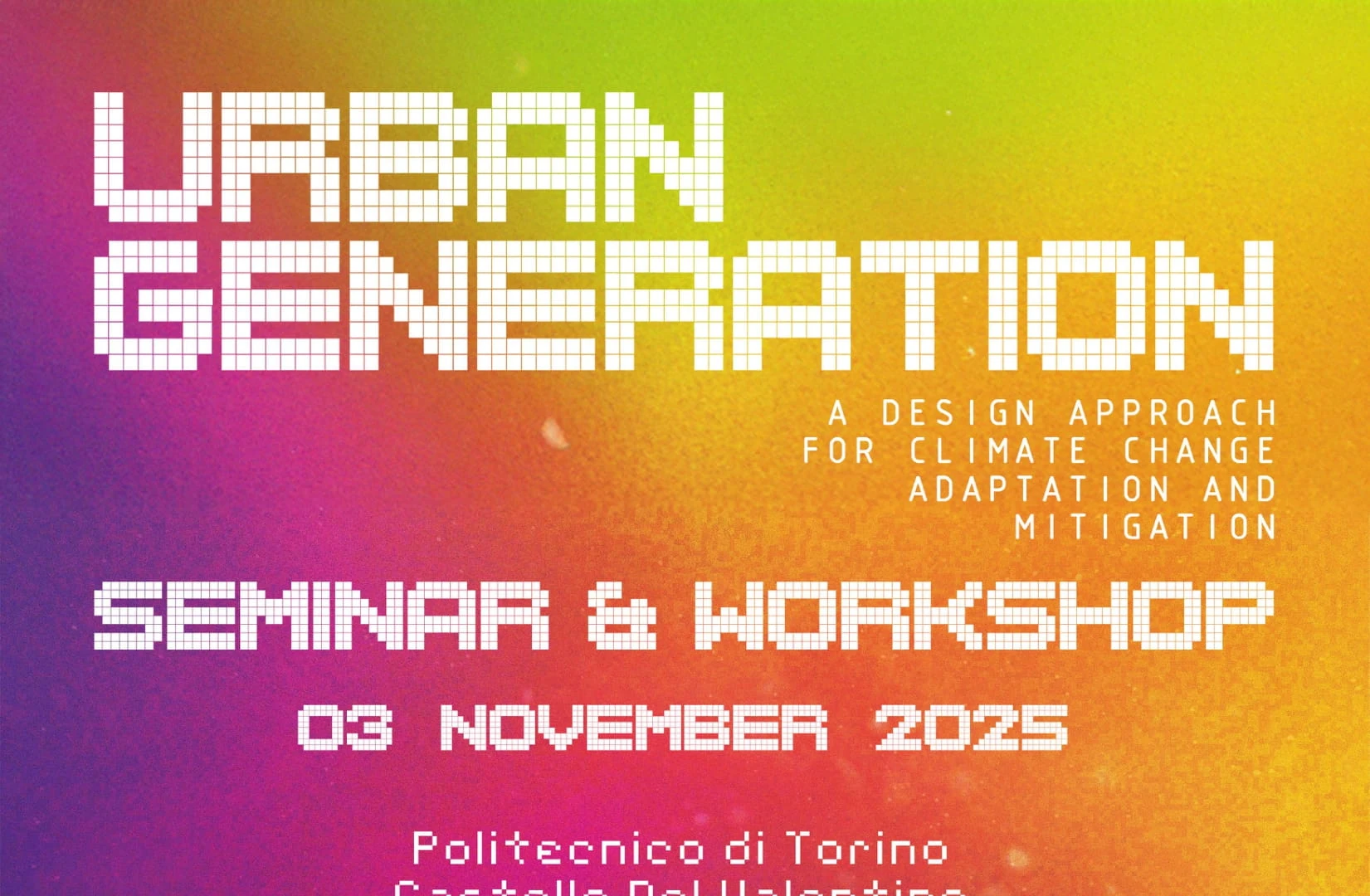
This connects to Computational Thinking because the complete research method was expressed as a clear sequence from urban data and weather inputs to models, simulations, comparisons, and design-readable results.
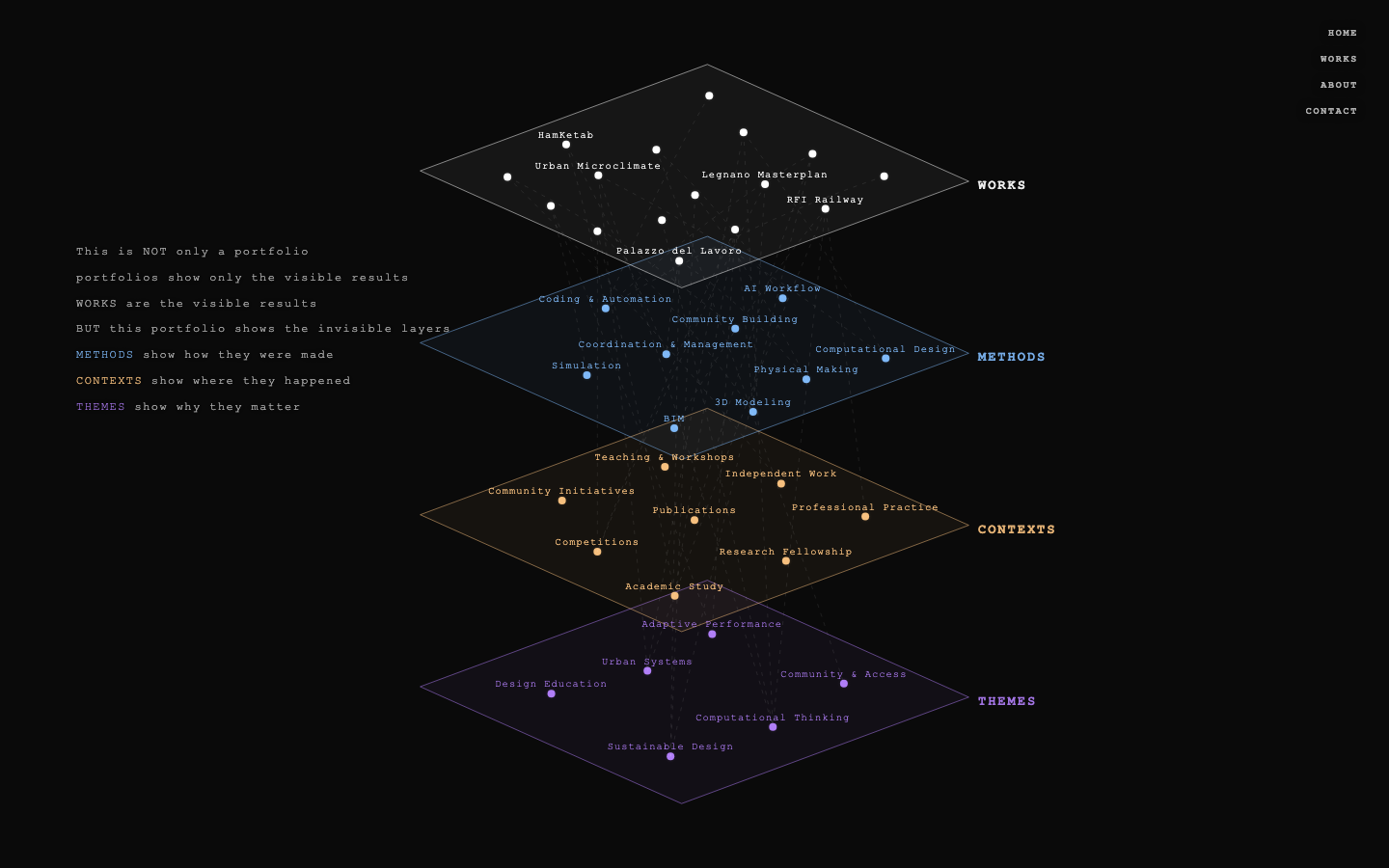
2025–2026
This Is Not a Portfolio
This connects to Computational Thinking because the portfolio translates a body of work into explicit nodes, layers, connections, layouts, and interaction rules, allowing projects to be read through their shared methods, contexts, and themes.