Theme
Sustainable Design
Design decisions about resource use, climate, reuse, envelopes, energy, materials, and long-term performance rather than a checklist applied at the end.
2023/2024
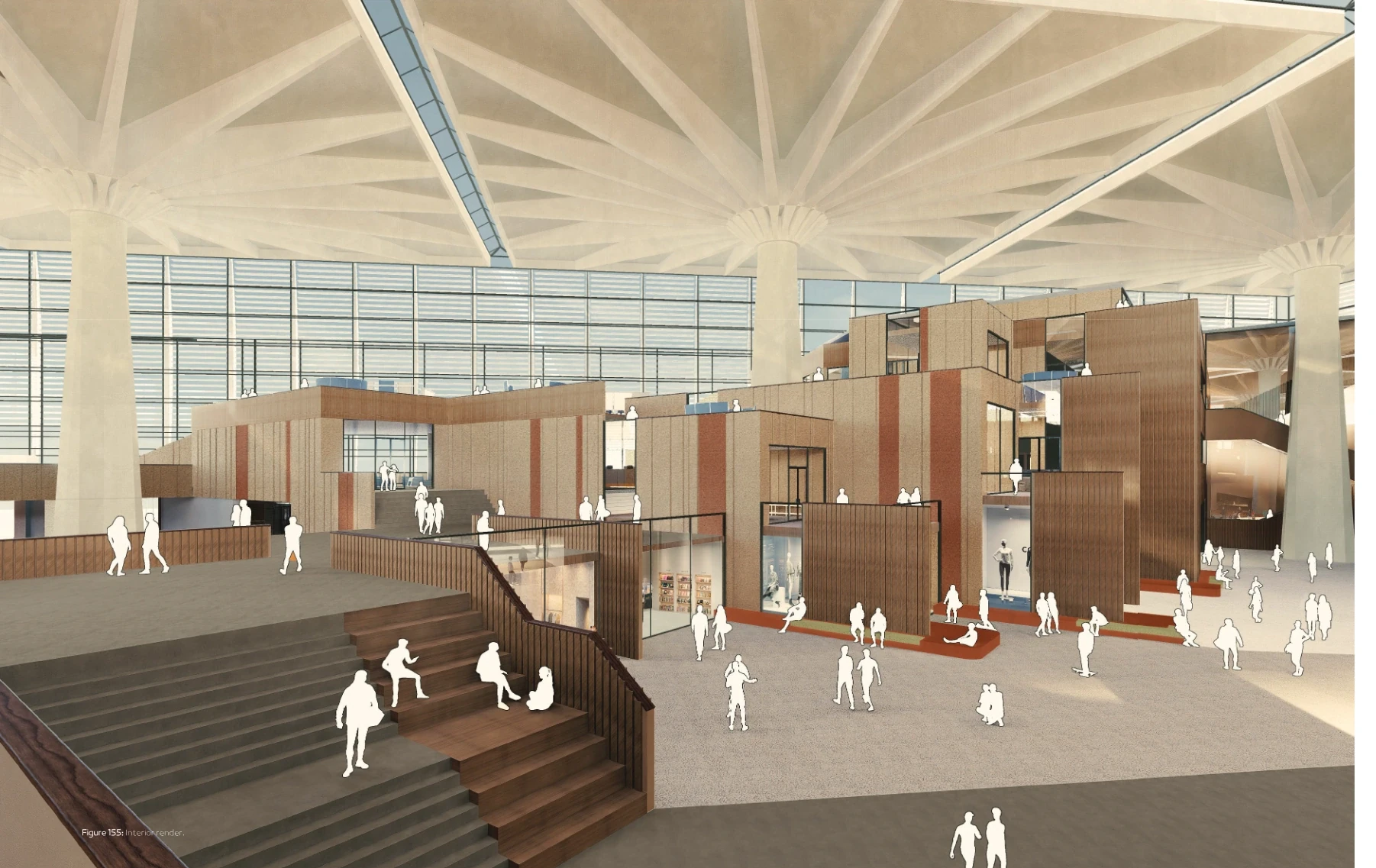
Palazzo del Lavoro
This connects to Sustainable Design because the first environmental decision was to reuse the 1961 structure and spatial identity, then add targeted roof, facade, shading, lightweight-construction, material, and building-system upgrades around what was retained.
2022
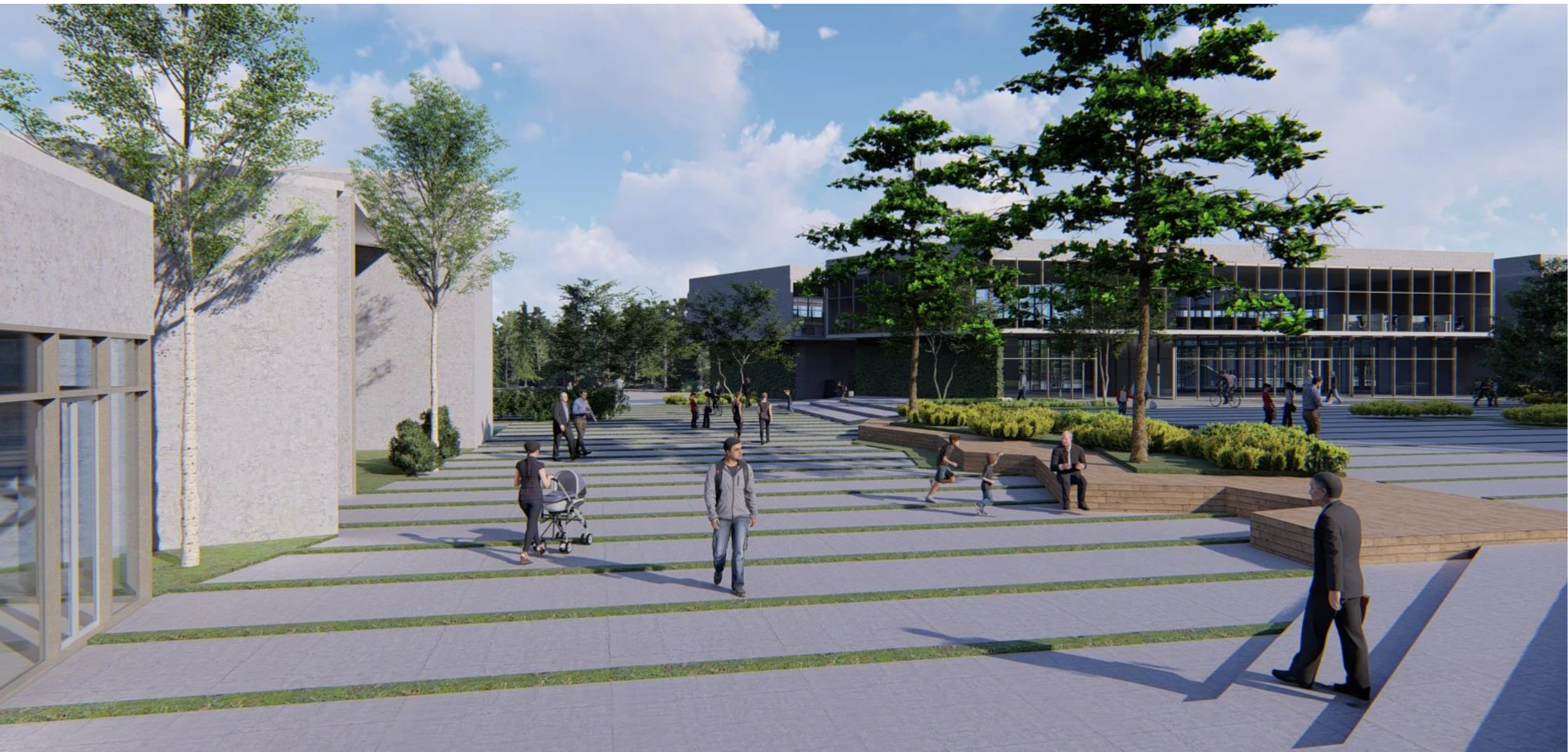
EGEA Headquarters
Sustainability was addressed through PV panels, green roofs, Polysun orientation studies, storage and self-consumption logic, shading, water, and an open-air energy museum.
2022
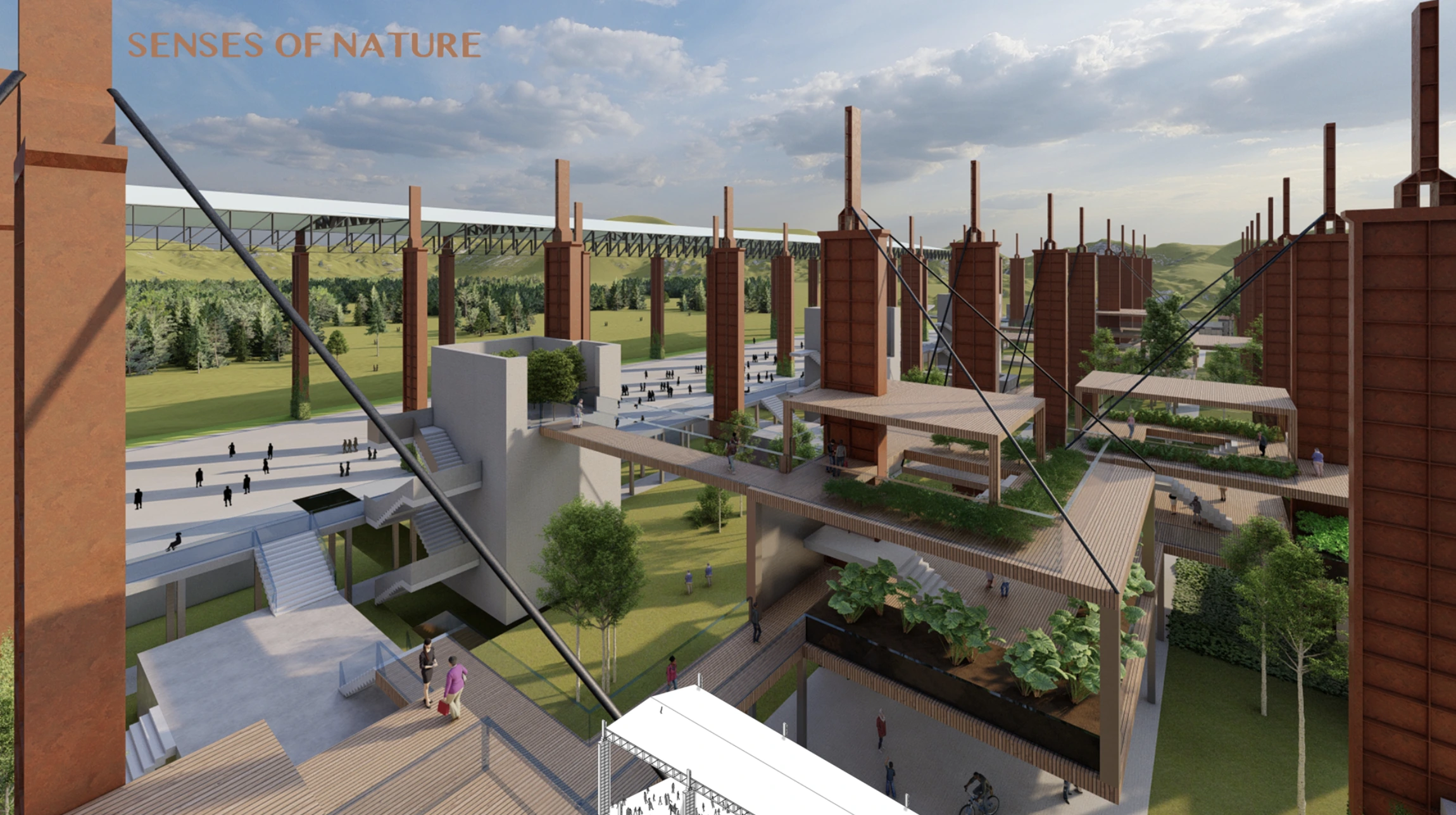
Museum of Senses
The sustainability logic is reuse and lightness: preserve the industrial column field and add a reversible suspended route instead of a heavy enclosed museum.
2023
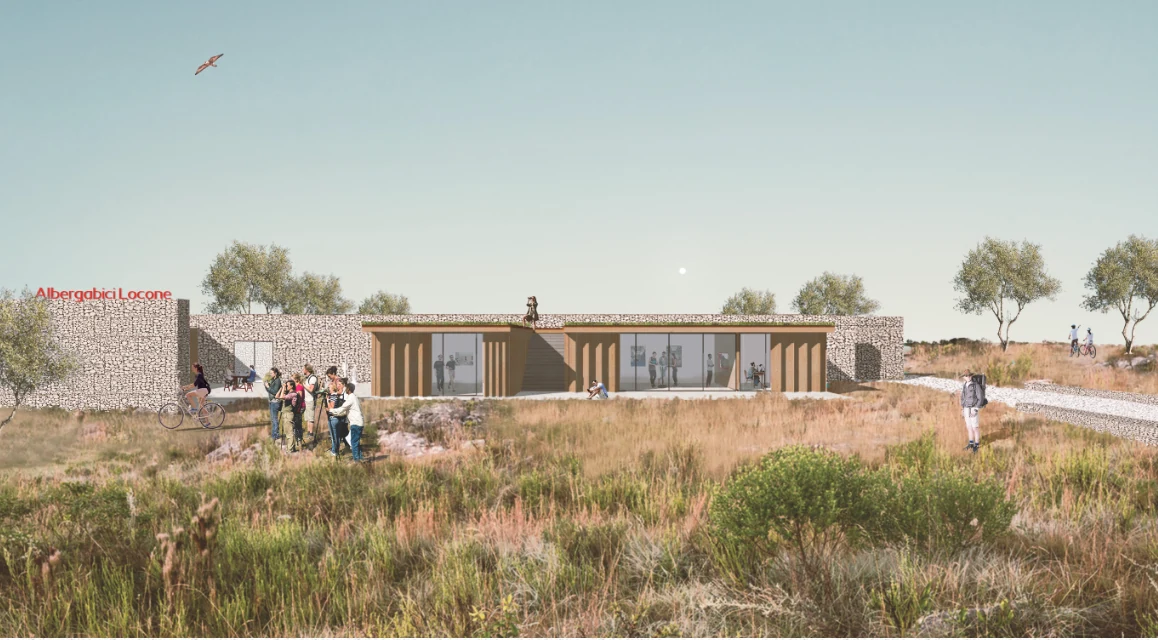
AlbergaBici
Sustainable design is present in the low-impact attitude of the project: reuse of landscape logic, planted roofs, dry-stone edges, soft mobility, and climate-aware outdoor spaces.
2023
Legnano Masterplan
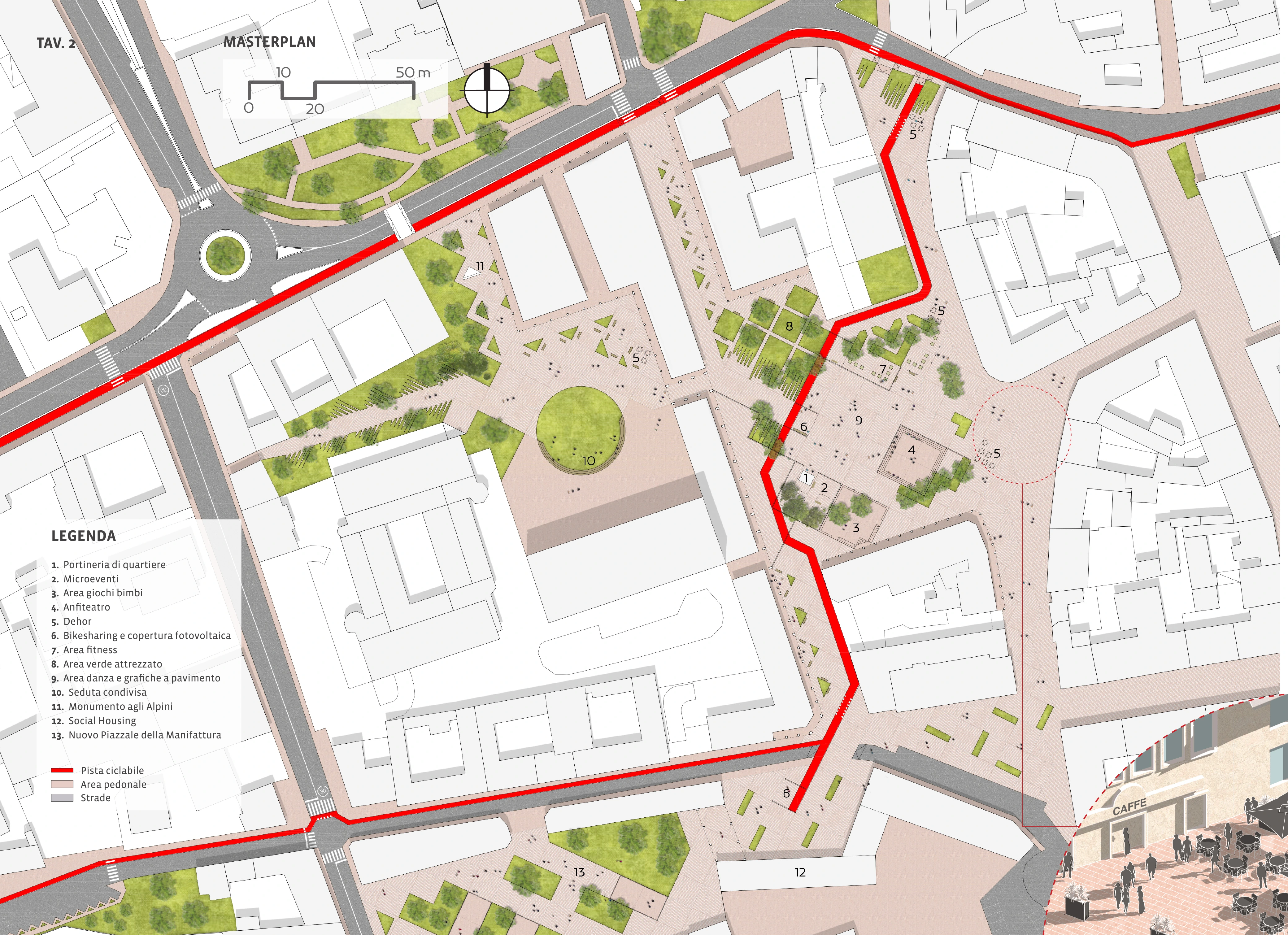
Sustainable design appears through more green and permeable surfaces, tree cover above 30 percent of the area, phytoremediation planting, draining paving, a photovoltaic bike-sharing canopy, and priority for walking and cycling.
2025-present
Climate Change
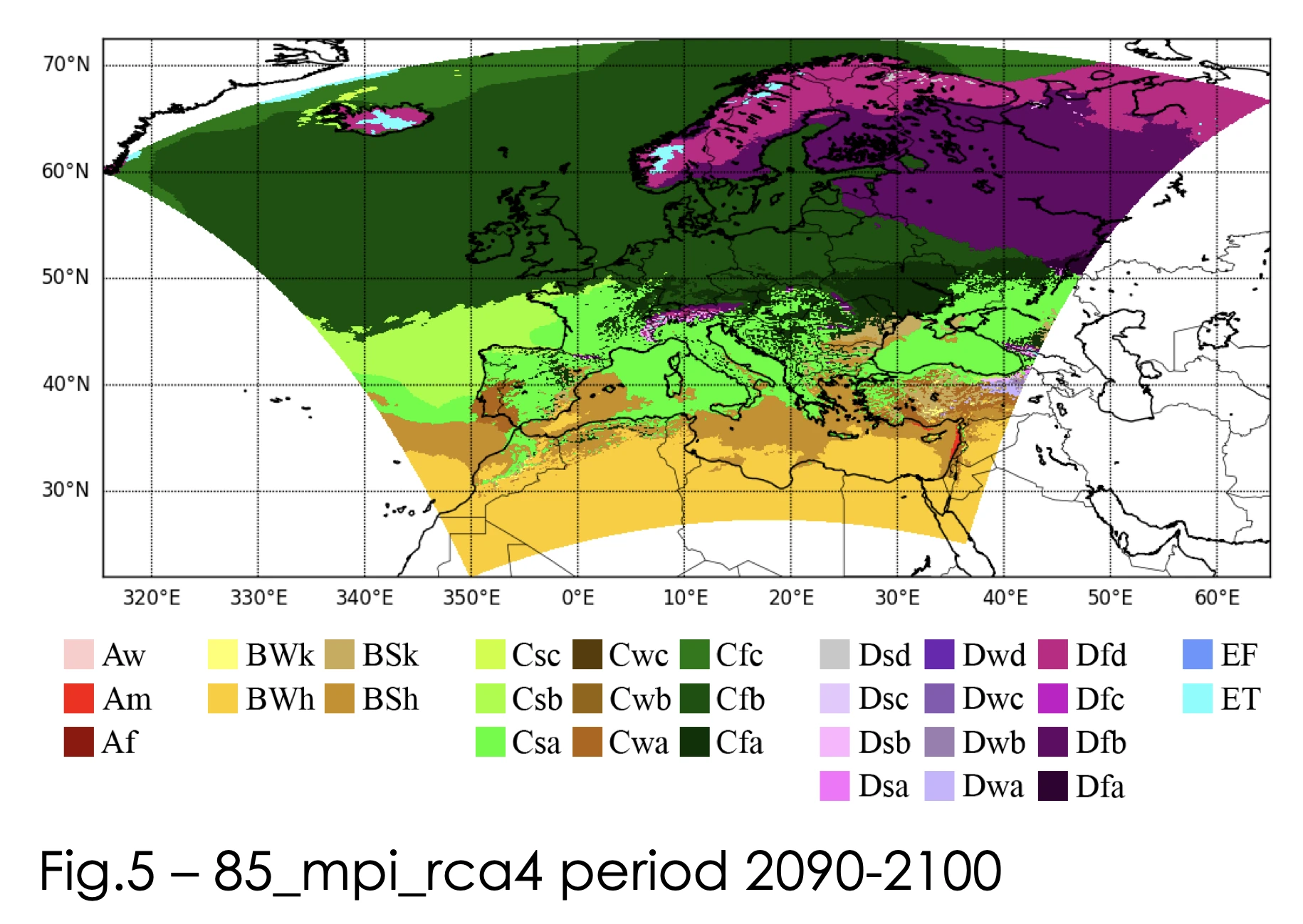
This connects to Sustainable Design because changes in climate classes, comfort conditions, and heating demand affect passive strategies, energy assumptions, building-envelope requirements, and climate-responsive design decisions.
2025-present
Urban Microclimate
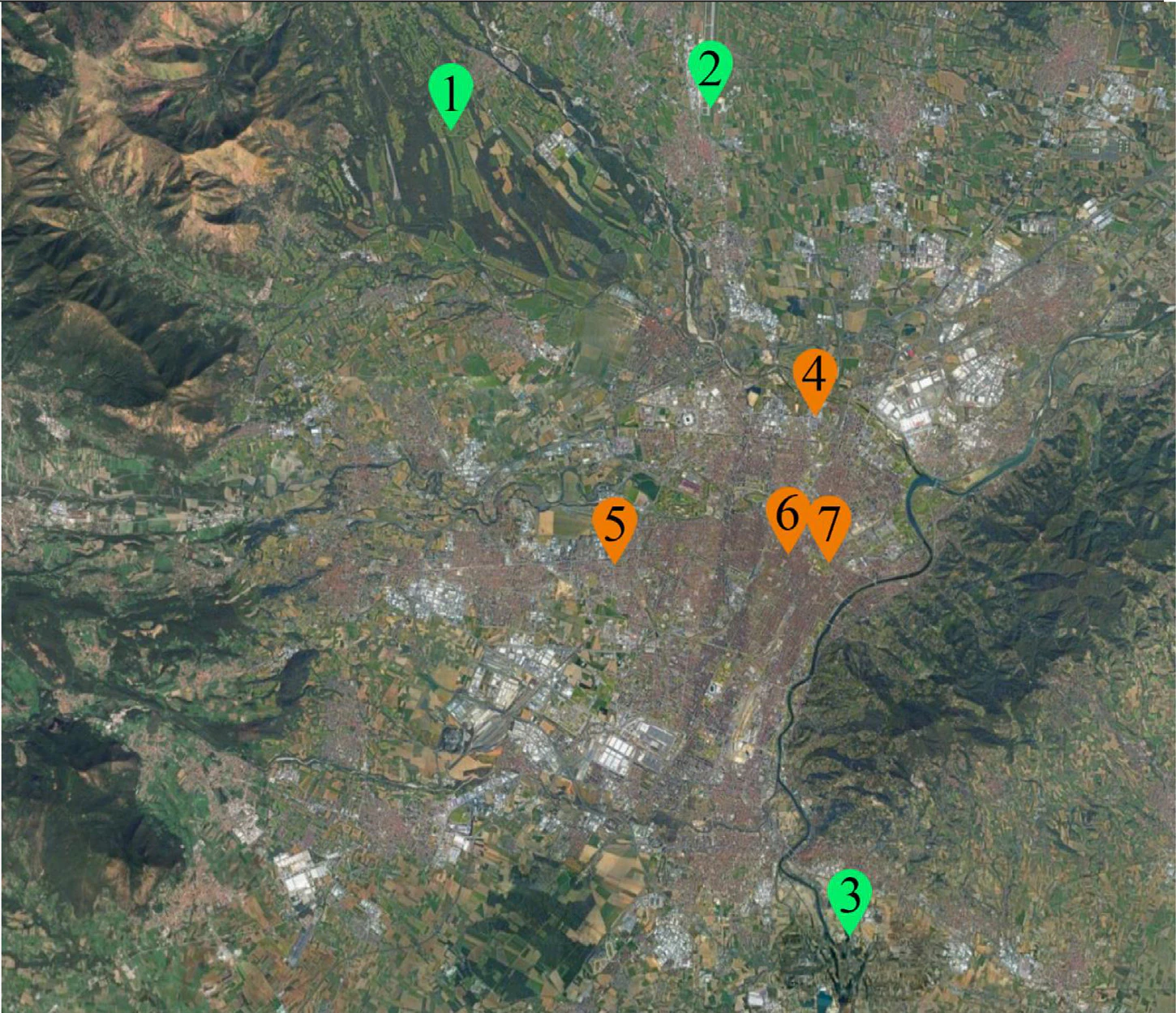
This connects to Sustainable Design because recent urban weather inputs and spatially specific models provide a stronger basis for passive design, energy analysis, heat-risk studies, and climate-responsive urban decisions.
2025–2026
Shading System
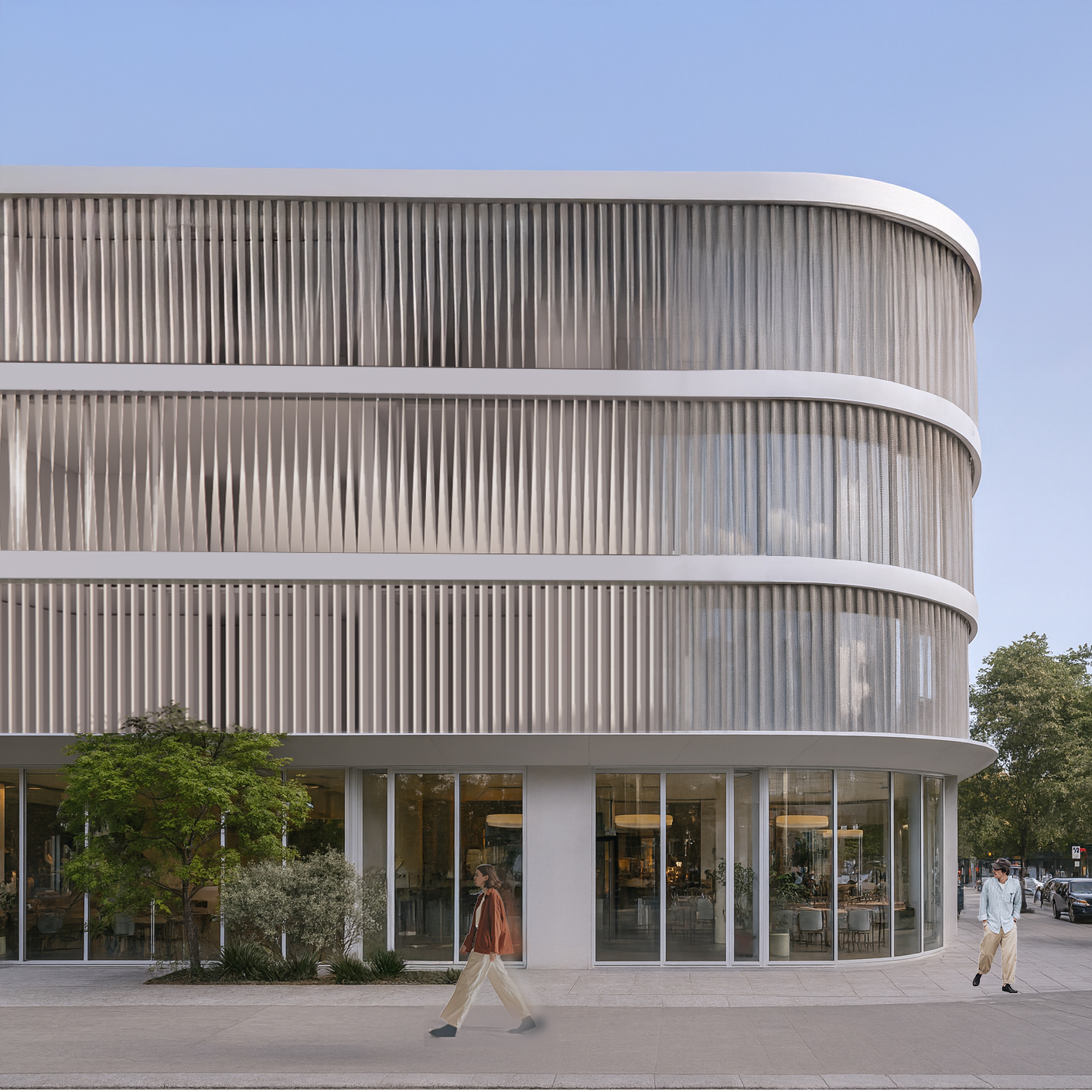
The facade aims to reduce unwanted summer beam radiation while preserving daylight, view, and winter solar admission.
2025
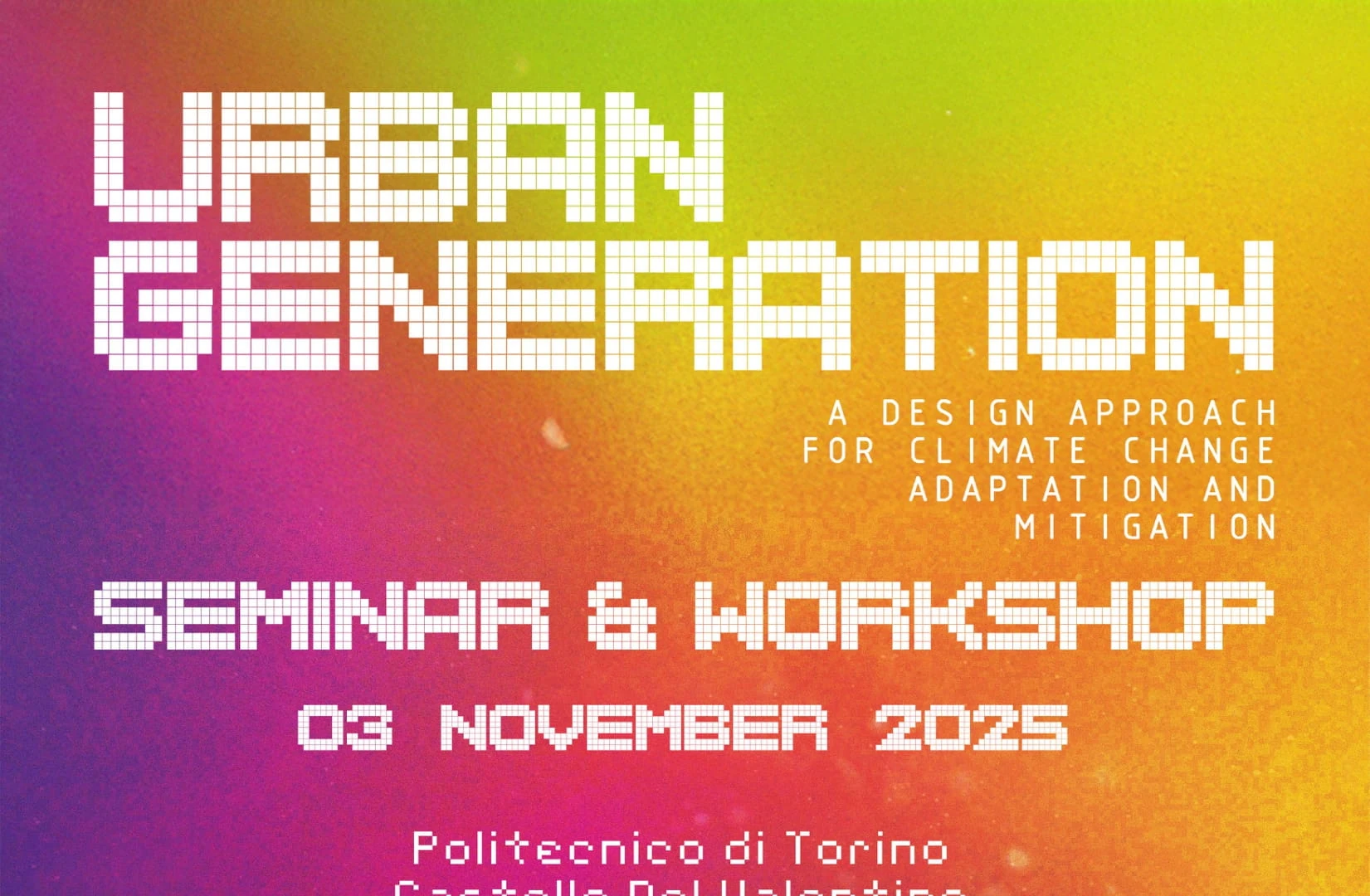
Urban Generation
This connects to Sustainable Design because the event translated climate adaptation, nature-based solutions, urban weather, outdoor conditions, and building-energy performance into methods that could inform design decisions.